
Why is Your Box Vent Leaking? Uncovering the Mystery on Your Asphalt New Roof in Cumming, GA
Topps Roofing & Construction • 8 April 2026

Share this article

Why is Your Box Vent Leaking? Uncovering the Mystery on Your Asphalt New Roof in Cumming, GA

A leaking box vent is a common and concerning issue for homeowners in Cumming, GA. While it might seem like a simple problem, the cause can range from minor wear and tear to significant roofing issues that require immediate attention. Understanding the potential culprits behind a leaking box vent is the first step toward a lasting solution and protecting your home.

Flashing Failure: The Most Common Culprit for Your Asphalt New Roof

Often, the primary reason a box vent leaks isn't the vent itself, but the flashing surrounding it. Flashing is a critical protective material, typically metal, installed around roof penetrations to divert water away. Over time, or due to improper installation, flashing can degrade or fail. Common issues include:

  • Cracked or Deteriorated Sealants: The caulk or sealant used around the flashing can dry out, crack, and pull away, creating small gaps for water to penetrate.
  • Rust or Corrosion: Metal flashing, especially if older or low-quality, can rust through, leading to pinholes or larger breaches.
  • Improper Installation: If the flashing wasn't installed correctly initially, or if shingles weren't properly overlapped, water can easily find its way underneath and into your attic. Even on a relatively asphalt new roof , flashing errors can lead to premature leaks.
  • Loose Nails: Over time, nails holding the flashing in place can work loose, allowing water to seep in around the nail holes.

When flashing fails, water doesn't necessarily enter through the vent itself but rather around its base, mimicking a vent leak. This is a tell-tale sign that an inspection of the surrounding area is needed.

Damaged Vents or Obstructions

While flashing issues are common, the vent itself can also be the source of a leak. Box vents, exposed to the elements, can suffer physical damage or become obstructed:

  • Physical Damage: Hail, falling tree branches, strong winds, or even walking on the roof can crack, bend, or create holes in the vent's housing. These breaches provide a direct pathway for rainwater.
  • Clogged Vents: Leaves, debris, bird nests, or even insect infestations can clog the vent's opening. When the vent is blocked, water can pool around it, potentially backing up under the surrounding shingles or finding tiny cracks to seep through. In colder climates, ice dams can form around vents, pushing water under the shingles.
  • Missing Components: Sometimes, a crucial cap or screen from the vent might be missing, allowing water and debris to enter unimpeded.

Regular visual inspections of your roof, especially after severe weather in Cumming, GA, can help identify these issues before they lead to significant leaks.

Condensation or Poor Ventilation Mimicking a Leak

Not every drip from around your box vent is necessarily rainwater. Sometimes, what appears to be a leak is actually condensation caused by insufficient attic ventilation. Here’s how it works:

  • Attic Moisture Buildup: Humidity from inside your home (showers, cooking, laundry) rises into the attic. Without proper ventilation, this moist air becomes trapped.
  • Cold Surfaces: When warm, moist attic air comes into contact with the cold underside of your roof deck or the metal of a box vent, it condenses, forming water droplets.
  • Dripping Condensation: These droplets can then accumulate and drip, often directly from or around the box vent, creating the illusion of a roof leak. This can happen even on an asphalt new roof cumming homeowners installed recently, if the ventilation system wasn't adequately designed.

Proper attic ventilation is crucial for the longevity of your roof and the overall health of your home. It helps regulate temperature, prevents moisture buildup, and extends the life of your asphalt shingles.

When to Call a Professional

While understanding the potential causes of a leaking box vent is helpful, attempting to diagnose and repair roof issues yourself can be dangerous and lead to further damage. If you're experiencing a leak, especially on your asphalt new roof in Cumming, GA, it's always best to consult with experienced roofing professionals.

At Topps Roofing & Construction, our experts can safely and accurately identify the source of your leak, provide a comprehensive assessment, and offer durable solutions. Don't let a small leak turn into a major problem. Contact us today for reliable service in Cumming, GA.

Trusted by homeowners across Cumming, GA — 57 5-star Google reviews.

Recent Posts

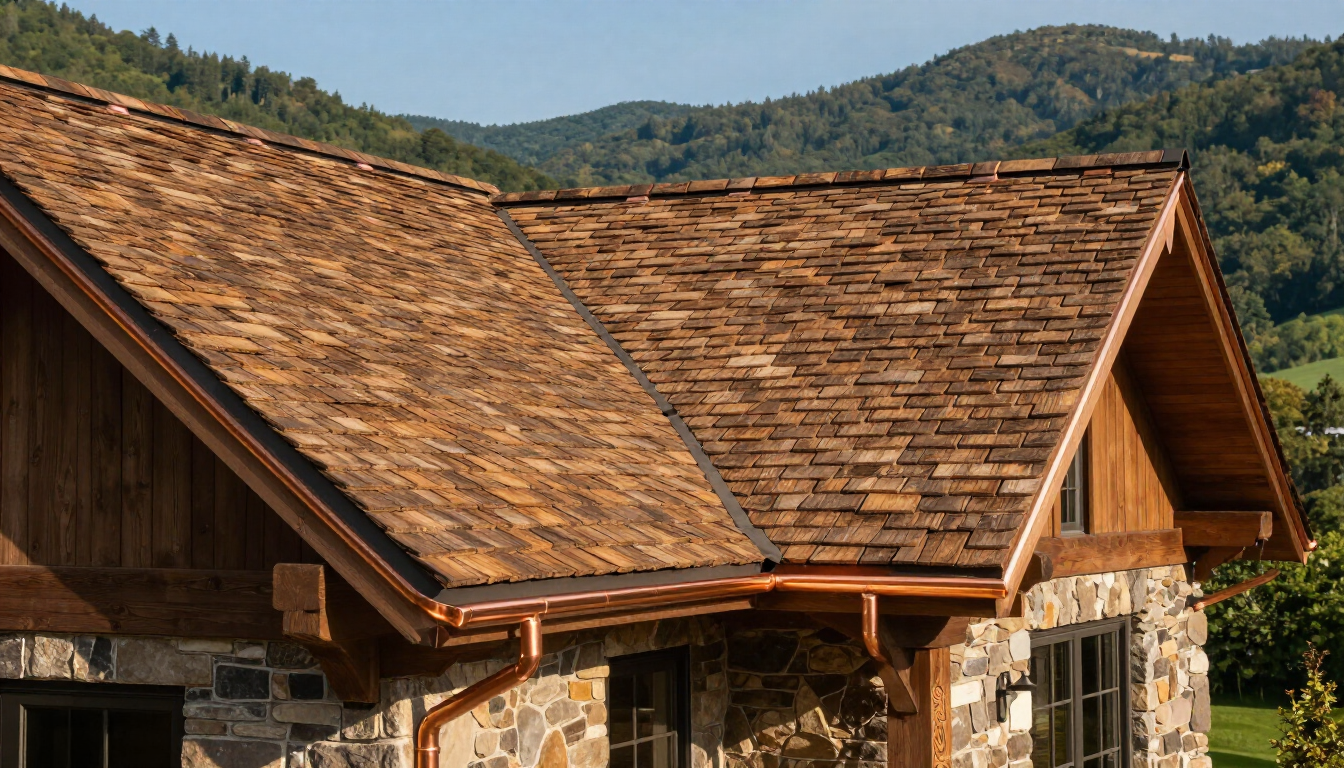
Luxury home with new cedar shake roof and copper accents.
16 April 2026
Learn how Topps Roofing secured a full cedar roof replacement for a North Georgia homeowner, including copper valley metal, through a State Farm claim.
by Topps Roofing & Construction 15 April 2026
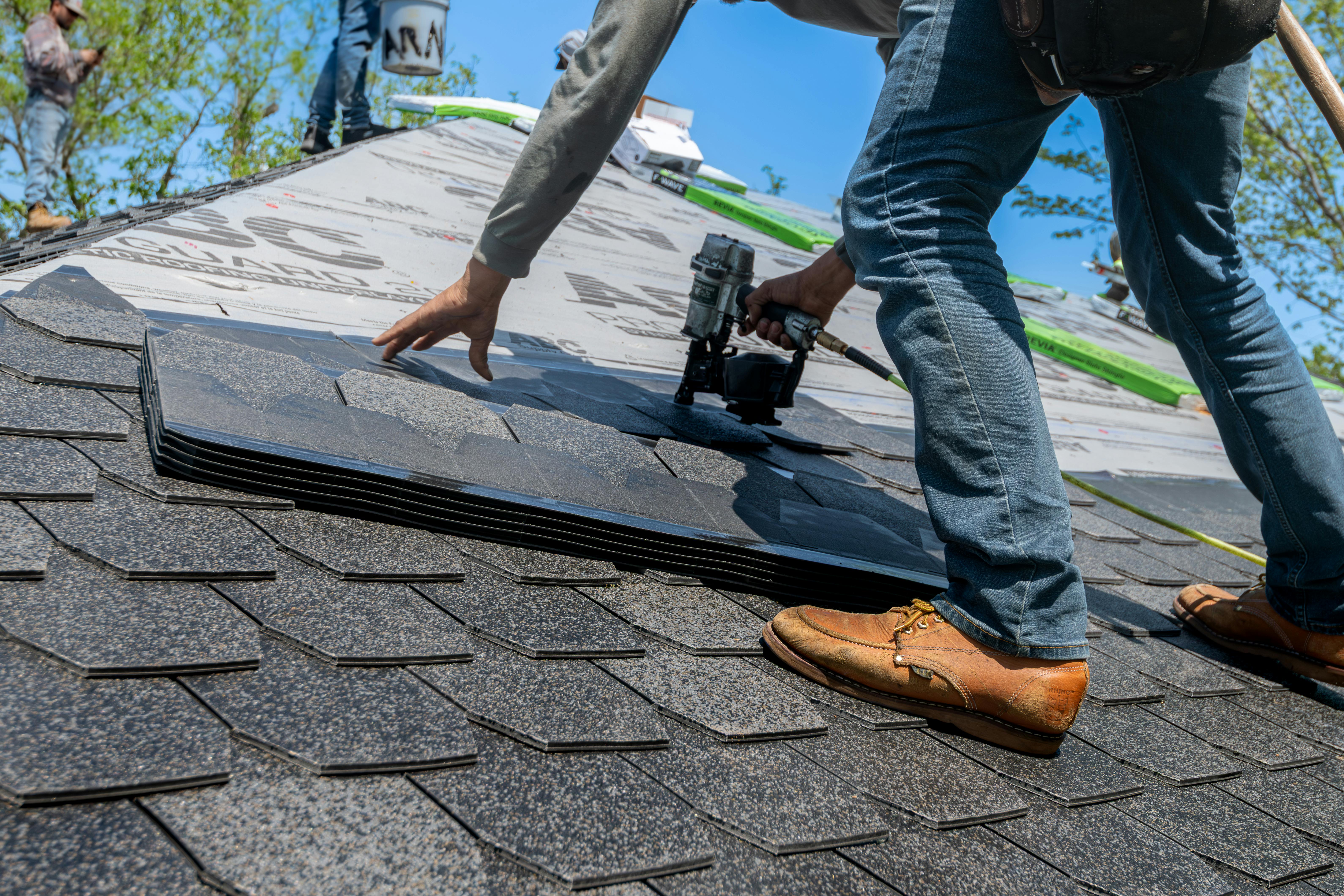
The most common choice is **asphalt shingles**, favored for their affordability, versatility, and ease of installation. They come in various styles and colors, making them a popular option for many homeowners. For those seeking enhanced durability and energy efficiency, **metal roofing** is an excellent alternative. While a higher upfront investment, metal roofs boast a longer lifespan and can offer significant savings on energy bills. Other options include synthetic slate or cedar shake, providing unique aesthetic appeals and specific performance benefits. Understanding these choices is the first step, and we encourage you to explore our services page for more detailed information on each option Topps Roofing provides.
by Topps Roofing & Construction 15 April 2026
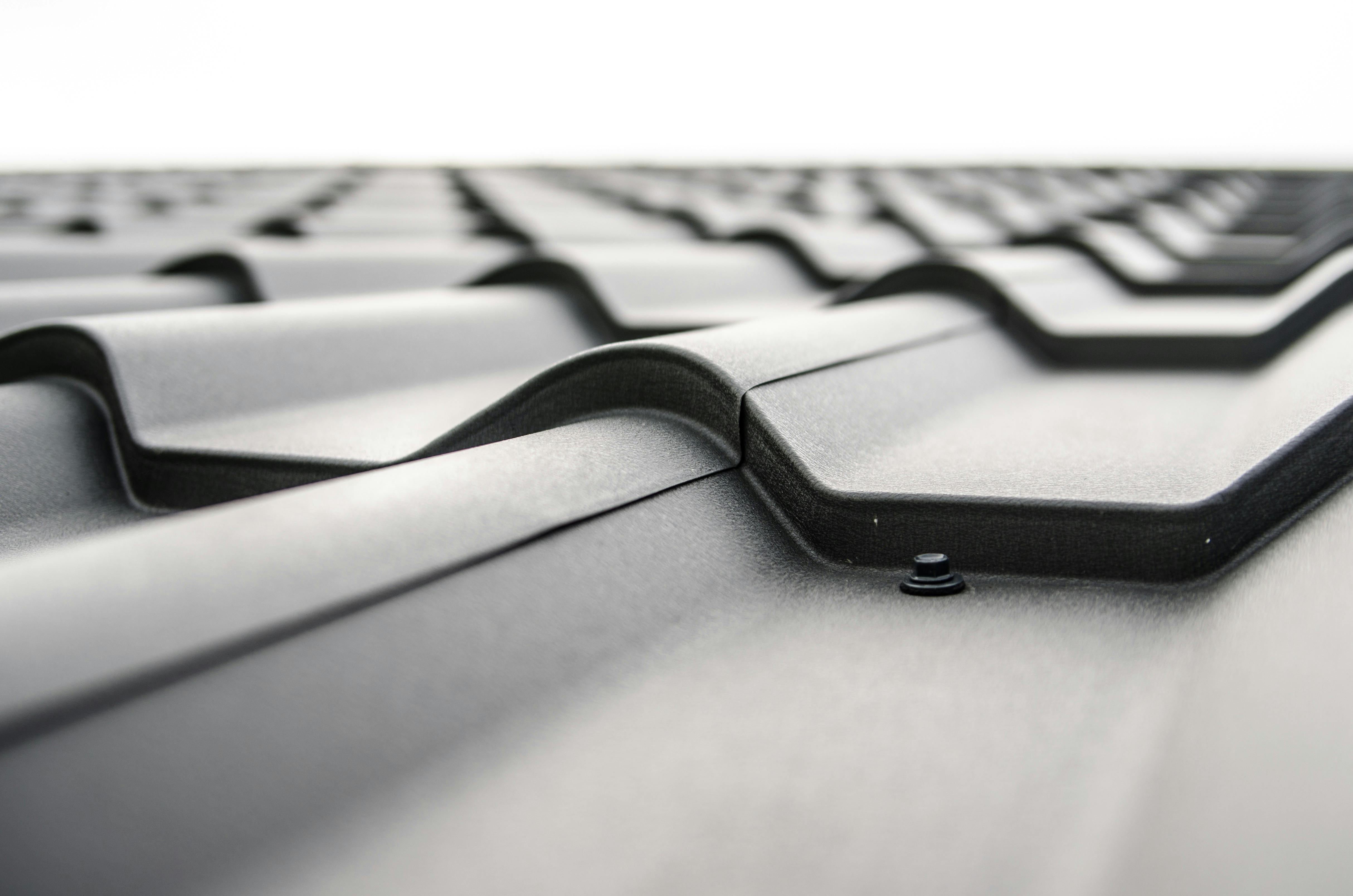
The practice of installing metal roofing directly over existing asphalt shingles is not uncommon, and in some specific situations, it can be permitted by building codes. The primary appeal often lies in reducing labor costs and disposal fees associated with a full tear-off. However, this method comes with a significant set of potential drawbacks that can lead to bigger problems down the line for your home. Trapped moisture is a major concern; if the existing shingles have any dampness or are prone to holding water, covering them can lead to rot in the roof deck, mold growth, and eventually compromise the structural integrity of your roof. Additionally, the uneven surface created by old, curled shingles can make it difficult for the new metal panels to lay flat, potentially causing an aesthetically displeasing wavy appearance and creating areas where fasteners may not hold as securely. A thorough inspection of our services would typically begin with assessing the underlying structure.
by Topps Roofing & Construction 14 April 2026
Water Damage: Rainwater can seep into your attic, ceiling, and walls, causing stains, weakening structures, and damaging insulation. Mold and Mildew: Moisture buildup creates a perfect breeding ground for mold, which can spread rapidly and pose health risks to your family. Rotting Wood: Continuous exposure to moisture can cause your roof deck, rafters, and other wooden components to rot, compromising the structural integrity of your entire roof. Pest Infestations: Gaps created by missing shingles can become entry points for pests like rodents, insects, and birds seeking shelter. Accelerated Roof Deterioration: Even if the initial damage seems localized, the exposed area can lead to further shingle loss around it, accelerating the overall aging and degradation of your roof.
by Topps Roofing & Construction 8 April 2026
Homeowners often grapple with choosing the most resilient roofing material, especially when facing severe weather. While the question "Metal Roof vs. Tile Roof in South Florida: Which Is Better for Hurricanes?" is a vital one for coastal communities, property owners in Cumming, GA also contend with their own set of extreme weather challenges, including powerful thunderstorms, high winds, and hail. Understanding the strengths of different top roofing options is paramount for protecting your home, regardless of your specific climate risks.